If you’re undertaking a project involving stainless steel buttweld fittings, selecting the right fitting for the job is essential. A good fitting will contribute towards an effective finished product and save time and money down the line in repairs or replacement of faulty fittings. Knowing what kind of stainless steel buttweld fittings are available and how to best utilize them is key to ensuring your project goes smoothly. We’ll explore all of this and the different styles to choose from when selecting a fitting, so if you want to get your project off on the right foot, read on!
What is Stainless Steel Buttweld Fitting?
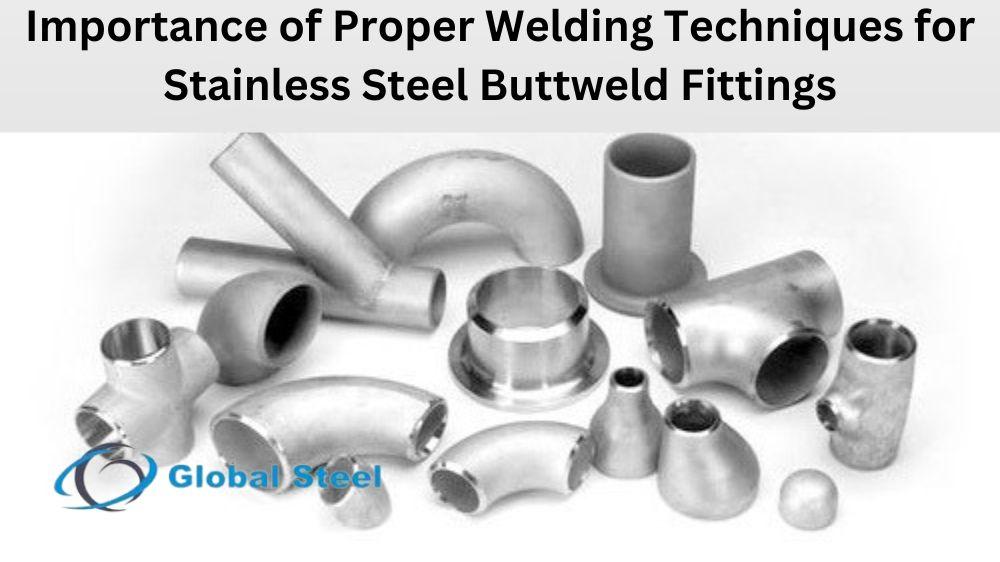
Stainless Steel Buttweld Fittings are pipe connectors that create a secure connection for piping systems. They are primarily used in industrial applications due to their superior strength and corrosion resistance. These fittings have two distinct parts, the body, which is formed into the required shape, and the beveled end, which creates a welded joint when connected with another compatible fitting. They are made from alloyed or unalloyed stainless steel, allowing them to resist chemical aggression, heat, pressure and extreme temperatures commonly found in industrial settings. In addition to being highly durable and reliable, these fittings provide a clean finish without any threads or welding marks.
How to Select Right Stainless Steel Buttweld Fitting
Material Quality and Grade
The material quality and grade are important when choosing a stainless steel buttweld fitting. The grade refers to the composition of the steel, which affects its strength, corrosion resistance, and other properties. Generally, austenitic stainless steels like 304 and 316 are the most commonly used for buttweld fittings due to their excellent corrosion resistance and durability. However, other grades are available for specific applications, such as duplex or super duplex for high-stress environments or high-temperature alloys for extreme heat situations.
Size and Schedule
The size and schedule of the buttweld fittings play a vital role in determining the pipe’s flow rate and pressure rating. The size refers to the diameter of the fitting, and the schedule refers to the thickness of the pipe walls. These factors can impact the fitting’s performance and longevity, and choosing the right size and schedule is essential to ensure optimal performance. It is always best to consult a reputable supplier or manufacturer to ensure the right sizing and scheduling for your application’s needs.
Fitting Type
The fitting type should match the pipes you are installing it on. The most common buttweld fitting types include elbows, tees, reducers, and caps. Each fitting type has a particular function and application. For example, reducers connect pipes of different sizes, while tees are used to split fluid or gas flow into two directions. Be sure to choose a fitting compatible with your piping system and the application you are working on.
Operating Temperature and Pressure
Another important factor to consider is your application’s operating temperature and pressure. These variables can impact the buttweld fitting’s performance and durability, especially in high-stress environments. It’s essential to choose a fitting that can sustain the operating conditions for your application without failsafes, leaks, or disastrous results. Always consult an expert before determining the right operating temperature and pressure for your application.
Compliance with Industry Standards
Finally, ensure the buttweld fitting you choose meets industry and regulatory standards. Look for fittings tested, certified, and marked with relevant standards, such as ASTM, ANSI, or ASME. These standards set minimum requirements for material quality, manufacturing, and performance, ensuring that your piping system meets industry safety and quality standards.
Conclusion:
In conclusion, choosing the right stainless steel buttweld fitting for your project boils down to understanding your piping system’s needs, operating conditions, and industry standards. Consult with reputable suppliers, manufacturers, and experts to ascertain good material quality, sizing, fitting type, and compliance with industry standards. A well-informed decision and optimal fitting selection can ensure that your piping system is leak-free, reliable, durable, and a valuable investment for your project.