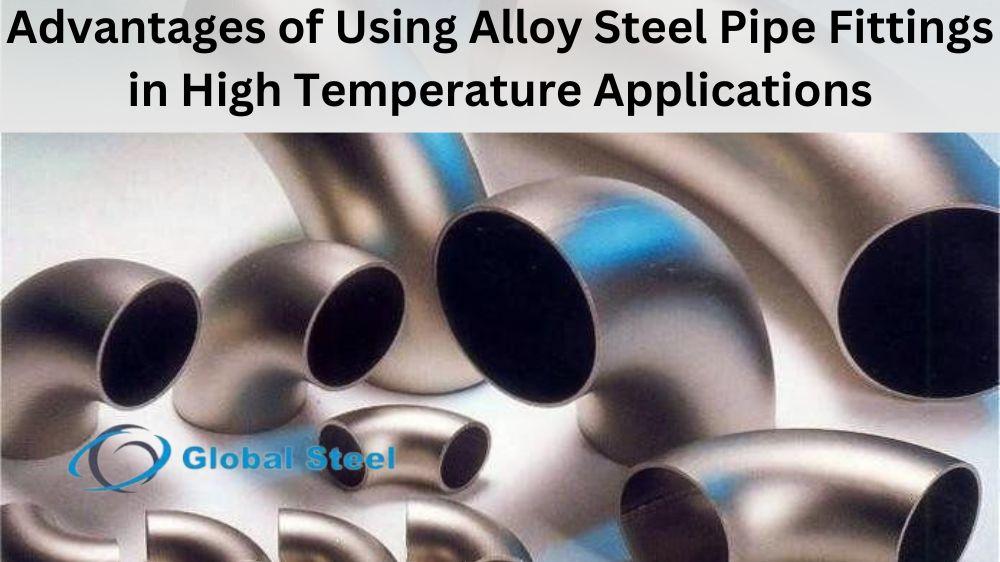
Are you looking for a superior metal product for high-temperature applications? If so, alloy steel pipe fittings may be the perfect solution. They are used extensively in various industrial sectors and offer numerous advantages compared to standard cast iron or Carbon steel materials. Because of their strength and corrosion resistance, they can handle higher temperatures easily while providing increased reliability and durability than other metals. In this blog post, we will explore the benefits of using alloy steel pipe fittings in high-temperature applications and how they can save costs over time and improve overall performance.
What are Alloy Steel Pipe Fittings?
They combine one or more alloying elements such as chromium, molybdenum, nickel, manganese, and silicon that combine with traditional carbon steels to create higher-strength products. These alloys usually offer superior corrosion resistance and mechanical properties at elevated temperatures compared to standard carbon steel.
Common applications for these high-grade fittings include chemical processing equipment, oil refineries, power generation equipment, and other demanding engineering projects. The additional benefits of using alloy steel pipe fittings include increased wear and chemical resistance over regular carbon steels, resulting in a longer life expectancy of the fitting its
Benefits of Alloy Steel Pipe Fitting
Heat Resistance:
They have high heat resistance, making them a great choice for industries with high temperatures. These pipe fittings are primarily created using iron and carbon, making them resistant to melting when exposed to higher temperatures. As well as having good heat resistance, alloy steel pipe fittings offer excellent corrosion resistance and strength compared to other materials. In addition, they can be used in more complex piping systems, providing greater flexibility and system design options. This makes alloy steel ideal for many industrial applications with the most stringent temperature control requirements.
Durability:
Alloy steel pipe fittings provide excellent durability for various industrial applications. The alloy composition of the alloy steel provides strength and corrosion resistance while adding chromium increases its ability to resist wear and tear. These products are ideal for use in high-temperature, pressurized environments, as they possess superior strength to other alloys, such as carbon steel.
These fittings also have better weldability than other metals due to their low phosphorus content, which helps prevent cracking when welding. Additionally, these fittings are resistant to abrasion and impact damage, making them an ideal choice for cyclic loading applications or any situation involving extreme environmental conditions.
Strength:
Alloy steel pipe fittings are exceptionally strong, making them reliable for high-temperature applications. Their excellent tensile strength prevents them from cracking or breaking under high-pressure conditions. This strength ensures that the fittings retain their structural integrity, reducing the risk of pipe failure.
Reduced Downtime:
One of the major advantages of alloy steel pipe fittings is that they require less frequent maintenance and have a longer lifespan. The robust nature of these fittings reduces the possibility of breakdowns, thereby minimizing downtime. Less downtime ensures the system runs smoothly, which results in higher productivity and reduced operational expenses.
Versatility:
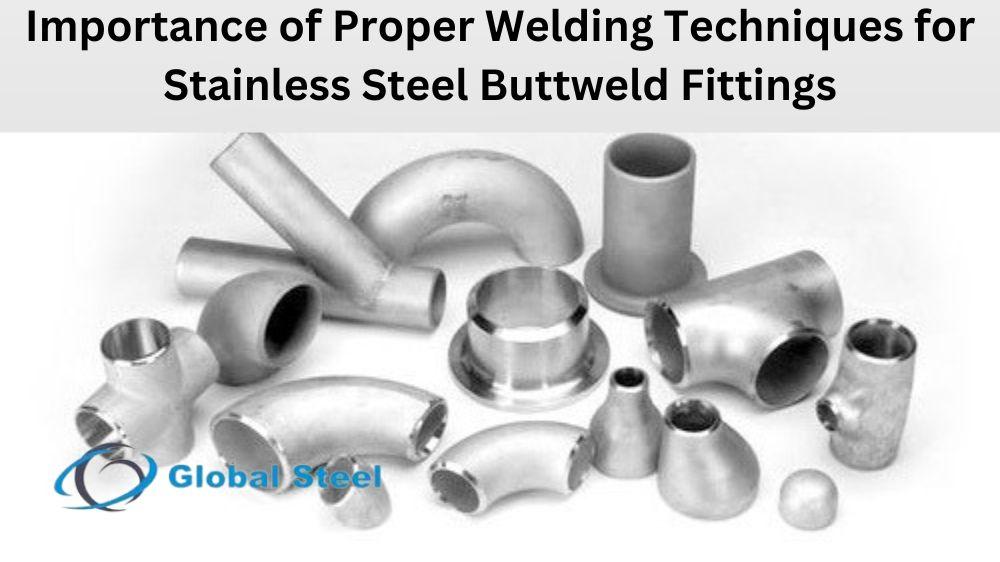
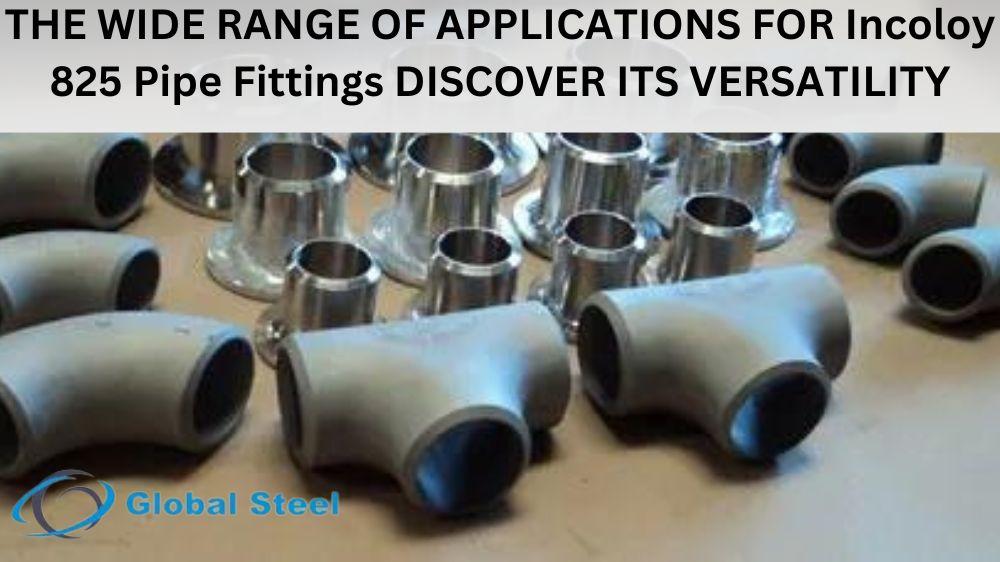
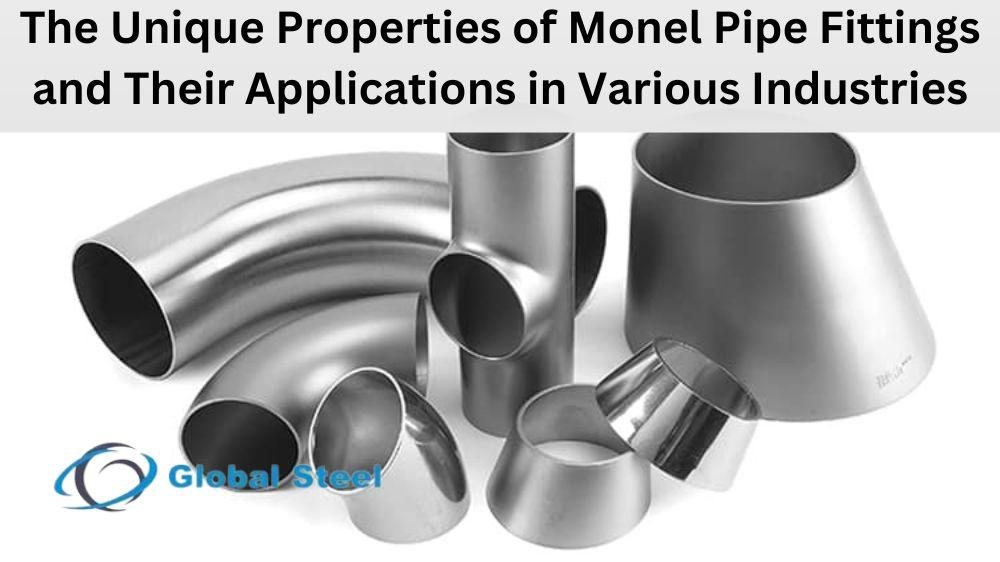
This product comes in various shapes, sizes, and configurations, which makes them highly versatile. These fittings are available in the elbow, tee, union, cross, coupling, and reducer configurations. They come in various diameters, making them suitable for high-temperature applications in different industries such as oil and gas, chemical processing, power generation, and many others.
Conclusion:
Alloy steel pipe fittings are an excellent option for high-temperature applications due to their excellent heat resistance, strength, and durability. These properties make them highly resistant to corrosion and cracking, ensuring that the fittings retain their structural integrity, resulting in higher productivity and reduced operational expenses. Additionally, their various shapes and sizes make them highly versatile and suitable for various industries. Therefore, these products are worth considering if you are seeking a piping system that can withstand the harsh operating conditions of high-temperature applications.