Carbon steel pipe fittings are an essential component of any piping system. They form the connections between pipes, regulate fluid or gas flow, and maintain the system’s integrity. However, with so many types of fittings available. It can take time to determine which will work best for your needs. This blog post highlights five of the most prevalent Carbon Steel Pipe Fittings and discusses their versatility in various sectors.
Carbon Steel Elbows
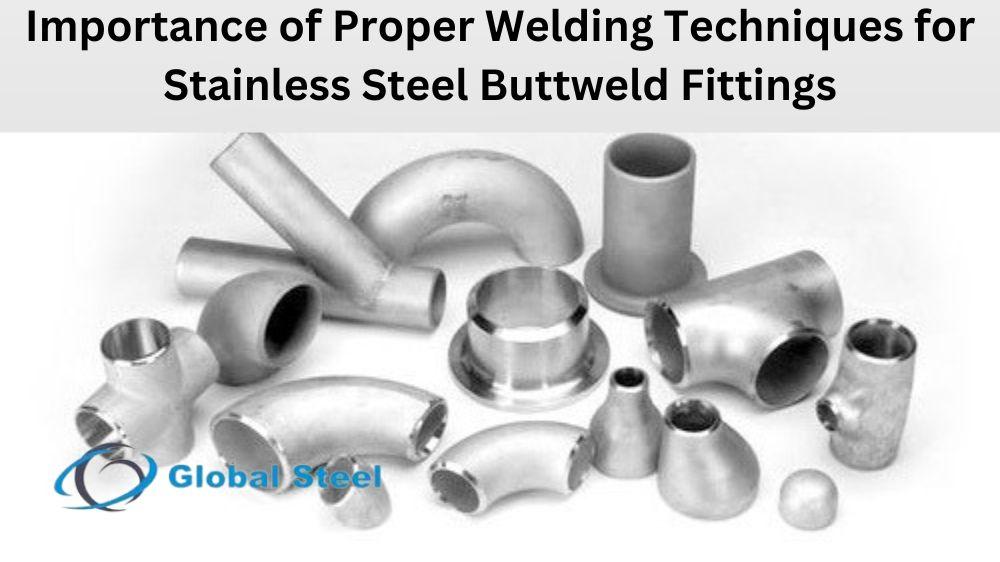
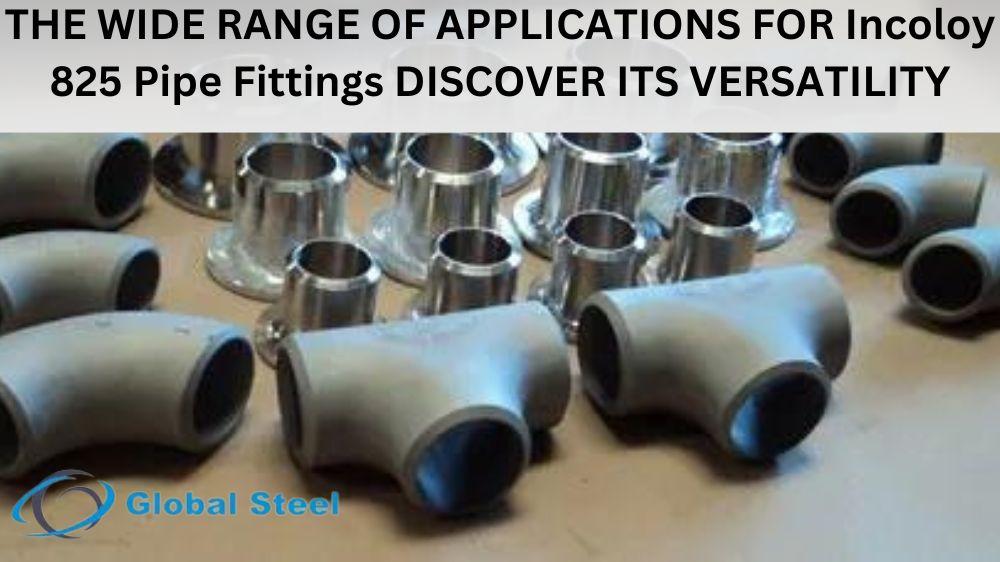
An elbow is an L-shaped fitting that changes the flow direction between two pipes. Carbon steel elbows are the most commonly used because they are strong, durable, and inexpensive. They are available in different angles and radii to adjust to your system’s needs. The main disadvantage of carbon steel elbows is their susceptibility to corrosion over time.
Carbon Steel Tees
Carbon steel tees are T-shaped fittings designed to join three pipes at once. They are used when a new branch is needed in a pipeline or when two different pipes must be connected to the same output line. Like elbows, carbon steel tees come in various angles to suit a system’s requirements. One of the main advantages of using carbon steel tees is their high durability and strength, allowing them to withstand extreme temperatures and high-pressure applications.
Carbon Steel Reducers
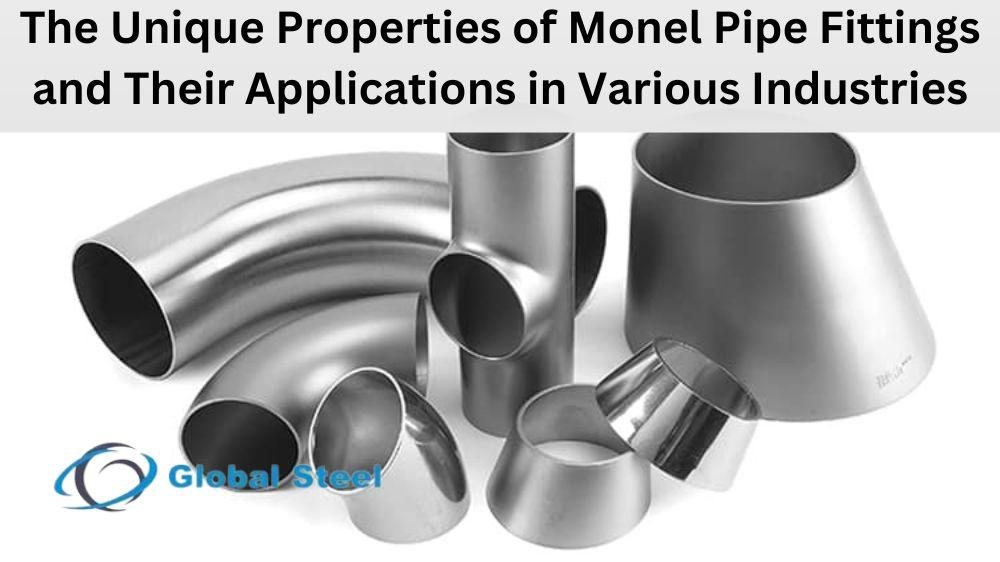
Carbon steel reducers change the pipe’s diameter, reducing its size to match the next section of piping. They are often used in gravity-fed systems to maintain a consistent flow rate or to connect pipes of different sizes. The larger end fits over the outside of the larger pipe diameter, and the smaller end fits inside, the smaller pipe diameter. Carbon steel reducers have high durability and strength, making them an ideal choice for high-pressure applications. However, they are sometimes less resistant to corrosion.
Carbon Steel Caps
Carbon steel caps cover the end of a pipe, providing a barrier against dirt, debris, and other contaminants. They are available in various sizes and shapes, and some might require additional components like bolts, screws, or adhesives to secure them in place. Carbon steel caps are relatively inexpensive, easy to install, and durable. Although they can be prone to corrosion if not coated properly.
Carbon Steel Flanges
Carbon steel flanges are flat, circular fittings with bolt holes used to connect two sections of piping or to connect a pipe to a piece of equipment like a pump, valve, or tank. They provide a secure, leak-proof seal and are highly resistant to bending and pressure. Carbon steel flanges are incredibly versatile and can handle various temperatures and pressures. However, they can be more challenging to install than other fittings and may require specialized tools for proper installation.
Conclusion
Choosing the right carbon steel pipe fitting for your system will depend on various factors, including the fluid or gas being transported, the system’s pressure and temperature requirements, and your budget. It’s always best to consult with a professional before selecting a fitting to ensure you get the best possible performance and longevity from your system. Ultimately, by understanding the pros and cons of each type of carbon steel fitting, you can make an informed decision that will keep your system running smoothly and efficiently for years.