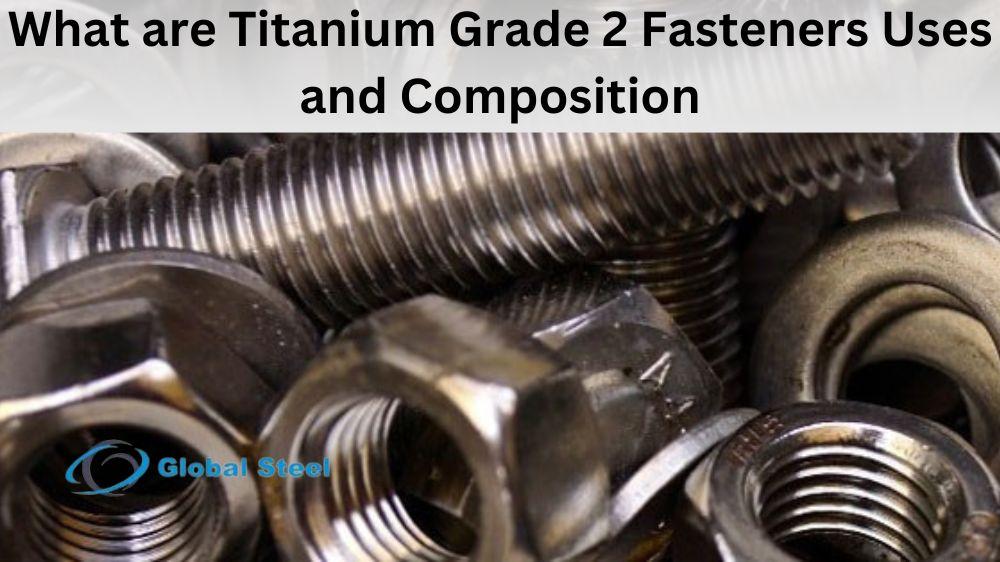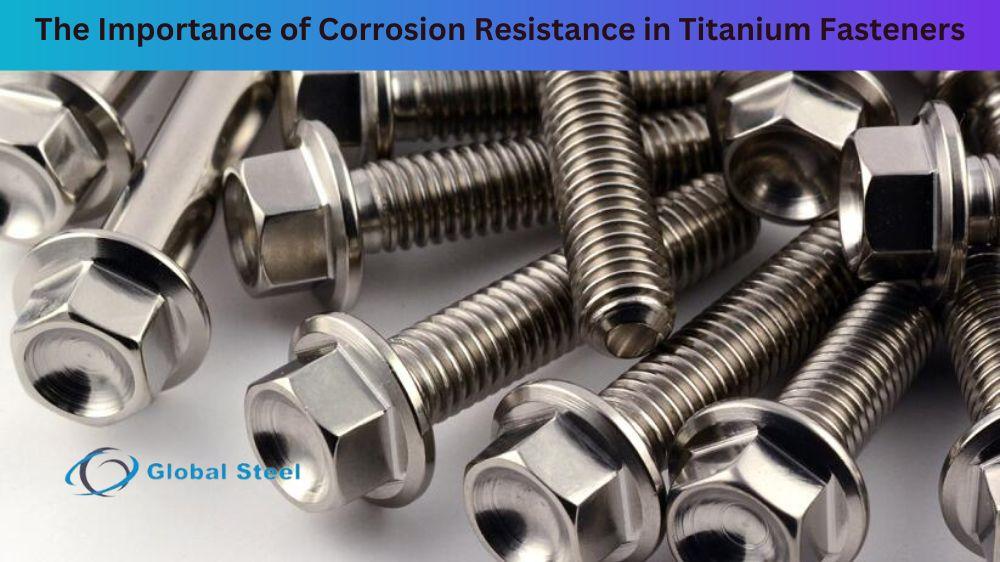
Manufacturers use titanium, a popular material, to create fasteners for various industries due to its strong, lightweight, and corrosion-resistant properties. It is also biocompatible, making it perfect for medical implants and other applications. However, even with its excellent corrosion resistance, titanium needs proper maintenance to ensure high performance. This blog post discusses why titanium fasteners’ corrosion resistance is essential and how it affects their performance.
Importance of Titanium Fastener
Titanium is resistant to most chemicals, including saltwater, making it ideal for marine and offshore applications. However, when exposed to harsh environments, titanium can corrode, reducing its strength and durability. Corrosion occurs when titanium reacts with oxygen, moisture, and other substances, causing it to wear out and weaken over time. It can also lead to pitting, which occurs when tiny holes form on the surface of the metal, making it more vulnerable to further corrosion. To prevent this, manufacturers typically coat titanium fasteners with materials that offer extra protection against corrosion.
In addition to coating, regularly cleaning titanium fasteners and preventing their exposure to harsh environments is also crucial. For instance, if they’re used in marine applications, they should be cleaned with fresh water to remove all the salt and dirt after exposure to saltwater. Additionally, if titanium fastener comes into contact with other metals, galvanic corrosion may occur, making them more prone to rust and corrosion. This is why it’s important to choose the right materials for your fasteners based on the environment they’ll be used in.
Corrosion resistance is crucial for titanium fasteners, particularly in industries that demand high strength, durability, and reliability. For example, the aerospace industry utilizes ti fasteners in aircraft engines, landing gears, and wings. Similarly, the automotive industry employs these products in high-performance cars due to their light weight and strength. The medical industry uses titanium fasteners and implants for bone repairs, dental procedures, and other medical applications. In all these applications, corrosion resistance is crucial in ensuring these machines and devices’ safe and efficient operation.
It’s also important to note that titanium fasteners can save money in the long run, despite their higher initial cost, as they require less maintenance and replacements than other materials. Corrosion-resistant titanium fasteners will last longer and require less replacement than those made from materials that erode faster, such as steel or other metals.
Conclusion:
In conclusion, we cannot overstate the significance of corrosion resistance in titanium fasteners. Corrosion can reduce the strength and durability of titanium and lead to pitting, making it vulnerable to further corrosion. By ensuring proper coating, regular cleaning, and protection from harsh environments, you can guarantee high performance. When selecting titanium fasteners for your equipment, it’s essential to take into account the usage environment, ensure compatibility with other metals, and perform appropriate maintenance to extend their useful life. By choosing these products, you enjoy high strength, reliability, and durability and save money on maintenance and replacements in the long run.