Whether in the aerospace industry, medical equipment manufacturing, or simply holding together a bike frame, fasteners are the unsung heroes of modern engineering. If you’re in the market for fasteners, you shouldn’t settle for ordinary steel bolts and screws. Instead, consider titanium fasteners’ superior strength, durability, and corrosion resistance. In this guide, we’ll look at titanium fasteners and explore why they may be the best choice for your next project.
What are Titanium Fasteners?
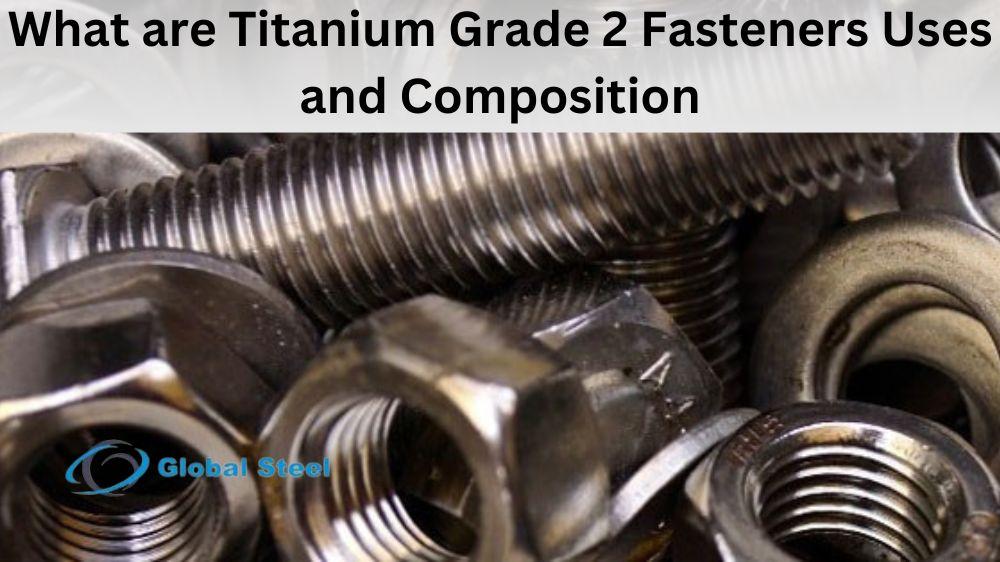
Titanium is a naturally occurring element that is strong, lightweight, and corrosion-resistant. Because of these properties, it has become a popular material for high-performance components across many industries. Titanium Fasteners are bolts, screws, nuts, and washers of titanium alloy. They are often used in applications where strength and durability are crucial, such as aerospace, military, and medical equipment.
Benefits of Titanium Fastener
The main benefit of titanium fastener is their strength-to-weight ratio. They are up to 40% lighter than steel fasteners and have a higher tensile strength, making them an ideal choice for applications where weight is a concern. Additionally, these products are corrosion-resistant and can withstand extreme temperatures so they won’t rust and degrade in harsh environments.
Types of Titanium Fasteners
Like steel fasteners, titanium fasteners come in many different shapes and sizes. Some common types include hex bolts, socket head cap screws, flat head screws, and washers. Some titanium fastener is also made with special coatings or treatments, such as anodizing, to enhance their strength and durability further.
Applications of Titanium Fastener
Aerospace: The aerospace industry is one of the largest consumers of titanium fasteners. They are used to hold together various parts of airplanes and spacecraft. They can withstand high temperatures and harsh environments, making them ideal for critical applications in the aerospace industry. The strength-to-weight ratio of titanium is also much higher than steel, making it a preferred choice for lightweight structures in the aerospace sector.
Automotive: Titanium fasteners are now used in the automotive industry to make high-performance cars. They are used for engine components, suspension, and the exhaust system. Using this product reduces the car’s overall weight, increasing its fuel efficiency and performance. Moreover, titanium is corrosion-resistant, making it a durable option for cars exposed to harsh environmental conditions.
Medical: Titanium is a biocompatible material that is used in medical implants. Titanium fasteners are used to secure the implants to the human body, and their ability to fuse with bone makes them ideal for orthopedic applications. The biocompatibility of titanium makes it a safe option for long-term use in the human body.
Marine: The maritime industry faces many challenges, such as corrosion due to saltwater exposure. Titanium fasteners have proved to be a game-changer. They are corrosion-resistant and can withstand harsh marine environments, making them a preferred choice for marine applications. They are widely used in shipbuilding, offshore drilling rigs, and underwater equipment.